Walking Robot Embroidery: A Practical Review for Real Projects
First Impressions: Cute, Futuristic, and Ready to Stitch
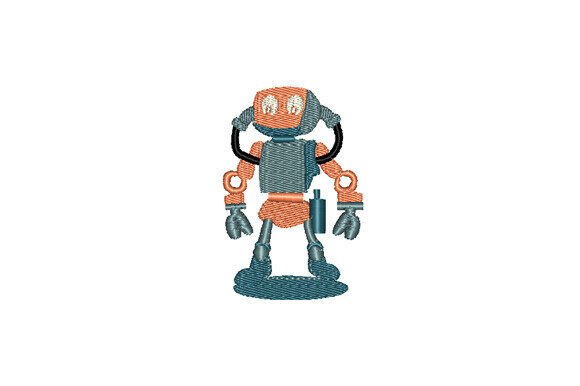
The Walking Robot Embroidery immediately caught my eye with its playful charm and clever design. It’s not just another robot motif—it’s a character with personality. The clear hydraulic fluid container on its hip adds a subtle storytelling element that makes this design stand out in a sea of generic machine-themed embroidery files. Visually, it leans toward a friendly, approachable aesthetic rather than a cold, mechanical one. That makes it a great fit for projects aimed at kids, hobbyists, or anyone who appreciates a bit of whimsy in their handmade goods.
Real-Life Use: Where Does This Design Shine?
I recently tested the Walking Robot Embroidery on a custom embroidered tote bag for a boutique client who wanted something tech-inspired but still soft and inviting. It stitched cleanly and held up well on medium-weight cotton canvas. The details—especially the fluid container and the articulated joints—were crisp and recognizable without being overly complex. I could easily see this design working well on:
- Personalized baby onesies and bibs
- Unisex sweatshirts for a fun, wearable art piece
- Custom patches for a robotics camp or STEM-themed event
- Aprons for a science-themed kitchen or workshop
- Holiday gifts like embroidered pillow covers or tea towels
Its size and layout also make it ideal for Etsy sellers or small craft businesses looking to add a touch of personality to their embroidered apparel or home goods. The design feels modern enough to appeal to a wide audience without being too niche.
Stitching Performance: What to Watch For
From a technical standpoint, the Walking Robot Embroidery stitched out smoothly on my embroidery machine. There were no noticeable tension issues or skipped stitches, even on a layered cotton blend. That said, there are a few things I’d advise testing before jumping into a full production run:
- Thread color contrast: Light-colored threads on the hydraulic container can easily get lost on light fabric. Consider using a slightly darker accent thread for definition.
- Stitch density: Some of the robot’s mechanical joints have tighter satin stitching. If you're using a stretchy fabric like jersey or knits, reinforce the area with a lightweight stabilizer.
- Hoop size: Make sure the design fits your hoop without crowding. If you're stitching on a curved surface like a cap, double-check that the hoop can accommodate the shape.
- Detail visibility: Smaller features like the rivets and panel lines may not read clearly on very textured fabrics like burlap or thick felt. Test on a scrap first.
I also ran a quick black and white mockup to see how it would look on a dark fabric background. The contrast worked well, but if you’re going for a minimalist look, you might want to simplify the color scheme or adjust the stitch order for better layering.
Commercial Viability: Selling This Design or Using It in Products
For Etsy sellers and creative entrepreneurs, the Walking Robot Embroidery has strong gift potential. It's the kind of design that can elevate a basic product into something memorable. I used it on a set of personalized tote bags with names stitched below the robot, and the response was overwhelmingly positive. Customers loved the detail and said it looked "professionally made" instead of a homemade item.
That said, if you're selling finished items or digital embroidery files, be sure to check the licensing terms. This design would work beautifully in both personal and commercial applications, but it's always smart to confirm permissions before listing on your shop or sharing on social media.
Where to Use It Carefully
While the design is versatile, it’s not a one-size-fits-all solution. Here are a few situations where I’d approach with caution:
- Small hoop sizes: If you're working with a very limited hoop area, this design may not scale down well without losing detail.
- Stretchy or thin fabric: The satin-stitched joints can pucker on unstable fabrics. Always test with a stabilizer.
- Dark or patterned backgrounds: The robot’s details can blend into complex prints or dark tones. Use a light underlay or contrasting thread if needed.
- Curved surfaces: Caps and curved bags might distort the robot’s posture slightly. Do a sample stitch on a similar shape before committing.
- Frequent washing: If you're making baby clothes or kitchen towels, consider using wash-fast threads and reinforce the design with a light tear-away stabilizer.
Final Thoughts: A Smart Choice for Practical Embroidery Projects
The Walking Robot Embroidery is more than just a cute machine motif—it’s a well-thought-out embroidery file that balances charm with technical execution. Whether you're stitching a custom sweatshirt for a robotics-themed birthday gift or creating a batch of embroidered patches for a summer camp, this design brings both visual appeal and practicality to your project.
As with any embroidery file, success comes down to testing and thoughtful application. But if you're looking for a design that’s both fun and functional, the Walking Robot Embroidery is definitely worth adding to your collection. It’s a great example of how a little personality can go a long way in elevating your finished product, whether you're selling it online or giving it as a personalized gift.